Source shelby style pp body kit for Ford Mustang, Range Rover, and GT500
Find 30 listings for shelby style pp body kit compatible with Ford Mustang GT500 and Range Rover Sport. Compare OEM sizes, materials like PP and ABS, and supplier details from China manufacturers.
Key considerations
Products List
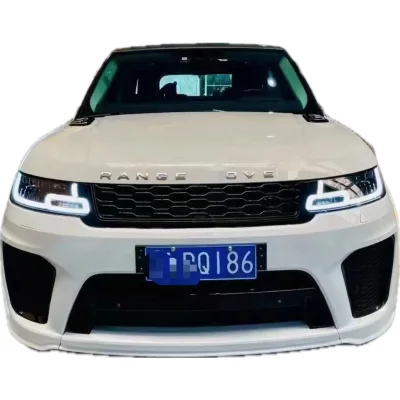
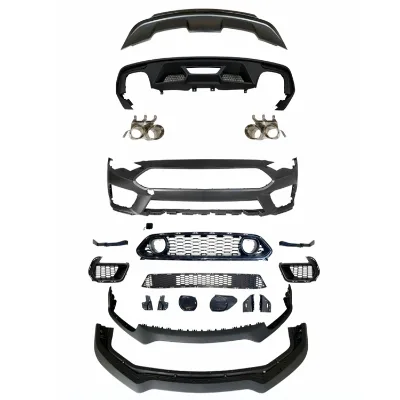
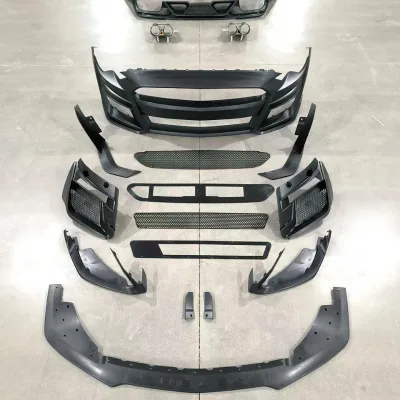
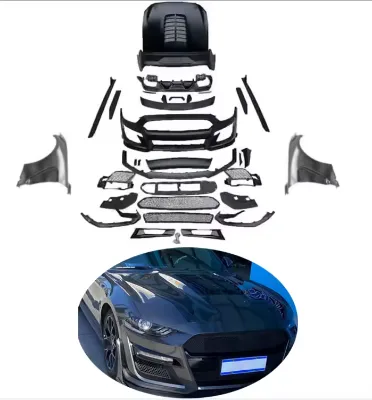
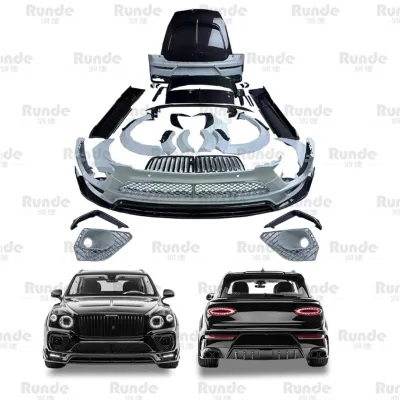


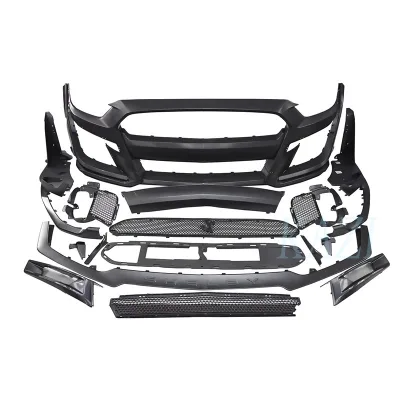


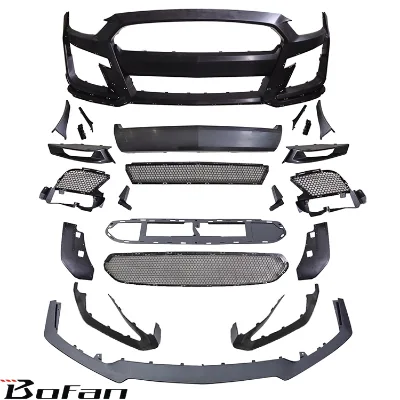
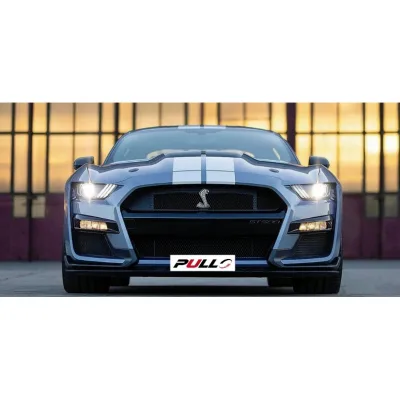
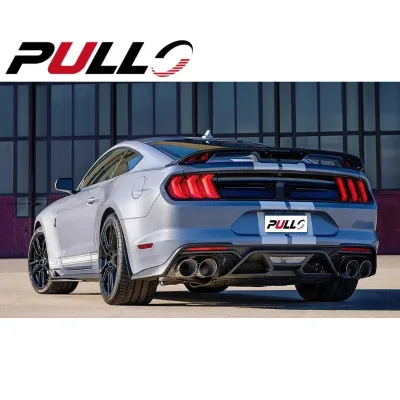

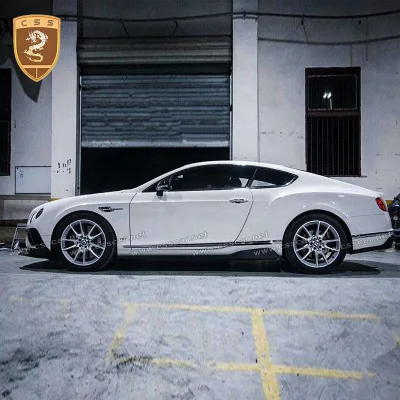
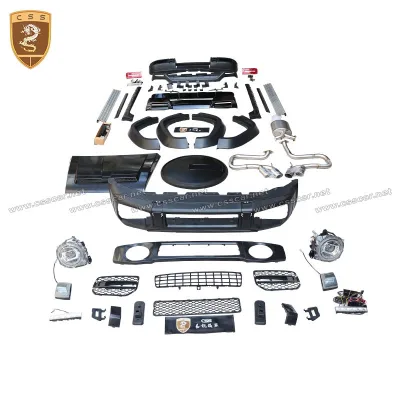
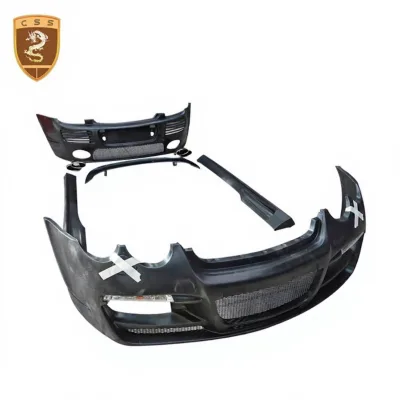
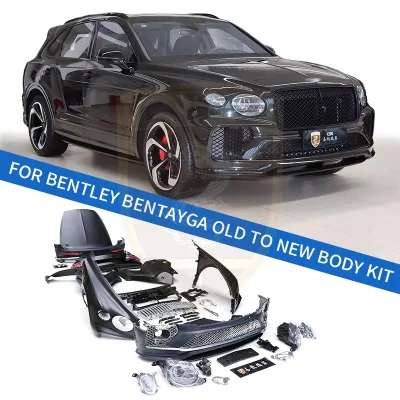
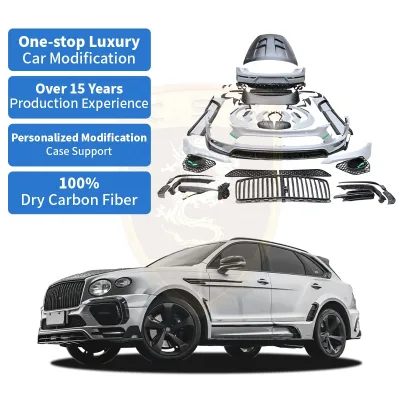
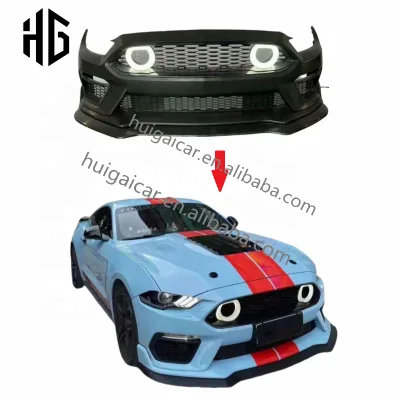
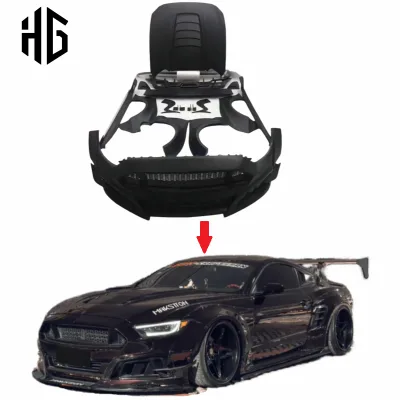

Comprehensive Sourcing Guide
Strategic Sourcing Guide for Shelby Style PP Body Kits
Understanding the Product Category and Material Composition
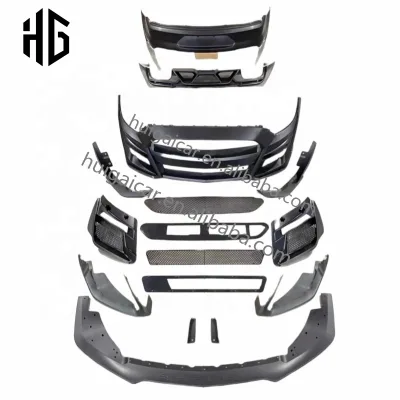
The core keyword "shelby style pp body kit" refers to aftermarket automotive exterior components designed to replicate the aggressive aerodynamic styling associated with high-performance Shelby variants, specifically the GT500, while utilizing Polypropylene (PP) as the primary structural material. In the current B2B market, these kits are predominantly marketed as replacement or upgrade solutions for specific vehicle platforms, with a notable concentration on the Ford Mustang and Land Rover Range Rover Sport. The designation "PP" indicates the use of Polypropylene, a thermoplastic polymer known for its balance of chemical resistance, fatigue strength, and cost-effectiveness. This material choice is critical for buyers evaluating the trade-off between weight reduction and impact resistance. Unlike rigid fiberglass or carbon fiber composites, PP offers a degree of flexibility that can absorb minor impacts without catastrophic failure, though it may require specific surface preparation for painting.
When sourcing these items, buyers must recognize that "Shelby style" is a design aesthetic rather than a certified performance standard. The visual cues typically include aggressive front bumpers with large air intakes, rear diffusers, and side skirts. The product listings indicate that these kits are often categorized as "body kits" or "body parts" and are intended for "retrofit/upgrade" or "replace/repair" purposes. The material composition varies slightly across suppliers; while some listings explicitly state "PP" as the sole material, others list a combination of "Plastic, ABS," suggesting a hybrid construction where ABS (Acrylonitrile Butadiene Styrene) may be used for high-stress mounting points or trim pieces to enhance rigidity. Buyers should verify the exact material blend in the technical data sheet, as the ratio of PP to ABS can significantly influence the part's thermal expansion properties and paint adhesion characteristics.
Technical Specifications and Fitment Parameters
Precision in fitment is the most critical technical requirement for body kits. The supplied market data reveals that these components are highly vehicle-specific, with model numbers explicitly tied to platforms such as the "Range Rover Sport" and "Ford Mustang GT500." The fitment is generally described as "OEM size," implying that the dimensions are engineered to align with existing mounting points on the vehicle chassis. However, the "OEM size" designation does not guarantee a direct bolt-on installation without modification, especially when the kit is designed for an "upgrade" to a GT500 style on a non-GT500 base model.
The dimensional specifications provided in the market data highlight significant variance in packaging, which serves as a proxy for the physical size of the components. For instance, single package sizes range from 100x50x50 cm to 210x63x95 cm, and single gross weights vary from 10 kg to 100 kg. This wide range suggests that a "kit" can consist of a single bumper assembly or a comprehensive set including bumpers, side skirts, and diffusers. The weight variance is particularly notable; a 100 kg gross weight for a single package indicates a substantial, multi-piece assembly, likely including heavy-duty mounting hardware or multiple large panels.
Buyers must scrutinize the "Position" attribute to ensure the kit covers the intended areas. Listings specify positions such as "Front Bumper," "Rear Bumper," or a general "Body kit" classification. For a complete Shelby-style transformation, a buyer typically requires a front bumper, rear bumper, and side skirts. The "Style" attribute often includes descriptors like "GT500 shelby" or "Sport Approval," which are marketing terms rather than engineering specifications. The "Color" attribute frequently appears as "primer" or "no-painted," indicating that the parts are supplied in a raw state ready for professional painting to match the vehicle's color code. This is a standard practice for PP and ABS plastics, which require specific primers to ensure paint adhesion.
Compliance, Certification, and Regulatory Verification
A critical aspect of sourcing automotive body kits is the verification of compliance with local and international regulations. The provided product data does not list specific certifications, standards, or test results. This absence is a significant risk factor for B2B buyers, as importing automotive parts into many jurisdictions requires proof of safety and regulatory compliance. Buyers must independently verify if the products meet the safety standards of the destination country, such as FMVSS in the United States or ECE regulations in Europe.
The "Style" attribute mentions "Sport Approval," but this is not a recognized certification body or standard. It is likely a marketing term used by the supplier to imply aesthetic compliance rather than legal approval. Buyers should not assume that a "Shelby style" kit is legally street-legal in all markets. In many regions, modifications that alter the vehicle's dimensions, such as adding wide-body bumpers or extending the wheelbase, require specific type approval or inspection. The "Purpose" field, which lists "for replace/repair" or "for retrofit/upgrade," further complicates the regulatory picture. A "repair" part is often treated differently from a "modification" part in the eyes of customs and vehicle safety authorities.
Furthermore, the lack of explicit certification data in the source material means buyers must request documentation directly from the supplier. This includes Material Safety Data Sheets (MSDS) for the PP and ABS materials, as well as any impact test reports. Without these documents, the risk of the shipment being held at customs or the parts being deemed non-compliant for road use is high. Buyers should also verify the "Brand Name" and "Model Number" consistency to ensure that the parts are not counterfeit or unauthorized reproductions of protected designs, which could lead to legal disputes.
Cost Drivers and Pricing Dynamics
The pricing for Shelby style PP body kits is influenced by several factors, including material costs, manufacturing complexity, and logistics. The observed price range in the market data spans from $150 to $18,307.37 USD. This extreme variance indicates that the term "body kit" encompasses vastly different product scopes. The lower end of the spectrum likely represents individual components, such as a single front bumper or a specific trim piece, while the upper end likely corresponds to a full vehicle wrap or a comprehensive kit including all body panels, lighting assemblies, and mounting hardware.
Material costs play a significant role in pricing. Polypropylene is generally more affordable than carbon fiber or high-grade aluminum, but the cost of the specific PP grade used (e.g., impact-modified PP) can vary. The inclusion of ABS, as noted in some listings, may also affect the price due to the material's higher cost and processing requirements. Additionally, the "Packaging Details" mention "Foam cartons and wooden cases," which are premium packaging options designed to prevent damage during transit. The use of wooden cases and heavy-duty foam increases the shipping weight and cost, which is reflected in the higher price points.
Logistics is another major cost driver. The "Port of dispatch" is listed as Guangzhou, and the "Place of Origin" includes Guangdong, Zhejiang, and Jiangsu provinces in China. The distance to the buyer's location, combined with the heavy gross weights (up to 100 kg per package), will significantly impact freight costs. Buyers should calculate the total landed cost, including shipping, insurance, and import duties, rather than focusing solely on the unit price. The "Selling Units" being listed as "Single item" suggests that buyers may need to purchase multiple units to complete a full kit, further complicating the cost calculation.
Supplier Evaluation and Operational Capabilities
Evaluating suppliers for body kit procurement requires a deep dive into their operational capabilities and reliability. The market data indicates a diverse supplier base with origins in different Chinese provinces, including Guangdong, Zhejiang, and Jiangsu. Each region may have different manufacturing specializations; Guangdong is known for high-volume automotive parts, while Zhejiang and Jiangsu may have varying levels of specialization in plastic molding.
Key operational metrics to evaluate include the "Supply Ability," "MOQ" (Minimum Order Quantity), and "Lead Time." The observed supply ability ranges from 20 pieces per month, which is relatively low for large-scale distribution, suggesting that some suppliers may be specialized workshops rather than mass manufacturers. The MOQ varies from 1 piece to 2 sets, offering flexibility for small buyers but potentially limiting bulk discounts for larger orders. Buyers should verify if the supplier can scale production to meet larger demand without compromising quality.
The "Payment" terms, which include TT, Western Union, and Trade Assurance, provide insight into the supplier's financial stability and risk management. Trade Assurance is a preferred method for B2B buyers as it offers protection against non-delivery or quality issues. However, the presence of Western Union suggests a more informal transaction structure, which may carry higher risks. Buyers should prioritize suppliers who offer secure payment methods and have a proven track record of on-time delivery.
Quality Control and Inspection Protocols
Given the absence of explicit quality certifications in the source data, implementing a robust quality control (QC) protocol is essential. The "Condition" is listed as "New," and the "Quality" is described as "High-Quality," but these are subjective claims. Buyers must establish objective criteria for acceptance. The "Installation" attribute notes "Easy Installation," but this claim should be verified through physical inspection or sample testing.
Inspection should focus on several key areas: dimensional accuracy, surface finish, and material integrity. Buyers should request samples to verify that the "OEM size" claims are accurate and that the parts fit the vehicle without excessive gaps or misalignment. The surface finish of PP and ABS parts can be inconsistent; buyers should check for sink marks, warping, or uneven texture. The "Color" being "primer" or "no-painted" requires a specific inspection of the primer coat to ensure it is smooth and free of defects that could affect the final paint job.
The "Packaging" details, such as "Standard Carton Box" or "Foam cartons and wooden cases," are also critical for QC. Poor packaging can lead to damage during transit, rendering even high-quality parts unusable. Buyers should inspect the packaging for signs of wear, water damage, or inadequate cushioning. For high-value shipments, third-party inspection services can be employed to verify the condition of the goods before they leave the supplier's facility.
Long-Term Procurement and Strategic Considerations
For long-term procurement, buyers must consider the scalability and sustainability of their supply chain. The "Year" attributes in the listings, such as 2018-2020 or 2015-2022, indicate that these kits are designed for specific model years. As vehicle models evolve, the demand for specific body kits may fluctuate. Buyers should assess the lifecycle of the target vehicle platform to ensure that the inventory they purchase remains relevant.
The "Brand Name" is another strategic consideration. While some listings feature generic or unknown brands like "jisu" or "CZ," others use more established names. For B2B buyers, building a relationship with a supplier who can offer consistent branding and quality over time is crucial. The "Purpose" of the kit, whether for "retrofit/upgrade" or "replace/repair," also influences the long-term demand. Retrofit kits often have a longer shelf life as they cater to the enthusiast market, whereas repair parts are tied to the specific failure rates of existing vehicles.
Finally, buyers should plan for the logistics of handling large, heavy packages. The "Single gross weight" of up to 100 kg per package requires specialized handling equipment and storage space. Buyers should ensure their warehousing and distribution infrastructure can accommodate these dimensions and weights. By addressing these long-term considerations, buyers can build a resilient supply chain that minimizes risk and maximizes the value of their procurement investments.
FAQs
What material is used for the shelby style pp body kit?
The kit primarily uses Polypropylene (PP) as the main material. Some listings also include ABS plastic for high-stress areas, creating a hybrid construction that balances flexibility with rigidity for impact resistance.
Which car models are compatible with this body kit?
This kit is designed for the Ford Mustang GT500 and the Range Rover Sport. Specific model numbers correspond to these vehicles, ensuring the parts fit the designated chassis and mounting points for a proper installation.
How is the product packaged for shipping?
Products are shipped in foam cartons and wooden cases to prevent damage during transit. Some suppliers use standard carton boxes, while others specify heavy-duty packaging to protect the large components like bumpers and diffusers.
Can I buy a single piece of the body kit?
Yes, you can purchase single items as the selling unit is listed as a single item. However, the Minimum Order Quantity varies by supplier, with some requiring one piece while others mandate two sets for the full kit.
Where are these body kits manufactured and shipped from?
The kits originate from various provinces in China, including Guangdong, Zhejiang, and Jiangsu. They are typically dispatched from the port of Guangzhou, which serves as the primary logistics hub for these automotive parts.
What is the typical price range for these kits?
The observed price range spans from 150 to 18,307.37 USD depending on the scope of the kit. Lower prices usually cover individual components like a single bumper, while higher prices reflect comprehensive sets with multiple panels.